When buyers think about summer comfort, they often assume it’s all about choosing the right air conditioner. Many builders also treat cooling performance as an HVAC decision made later in the construction process. In reality, how hard an air conditioner works each summer is largely determined long before the HVAC equipment is installed. It is the building envelope, locked in during framing and insulation, that has the biggest impact on long-term comfort and efficiency.
That matters because the air conditioning share of an electricity bill is larger than many people realize. According to the U.S. Energy Information Administration, air conditioning accounts for about 19% of the electricity used in U.S. homes, making it nearly a fifth of the average power bill. With Baltimore’s hot, humid summers, a leaky, under-insulated home forces the air conditioner to fight heat gain that should never have entered the home in the first place. According to UMD Extension, heating, cooling, and ventilation are about half of a home’s energy use, and it is more efficient to keep heat out than to remove it later.
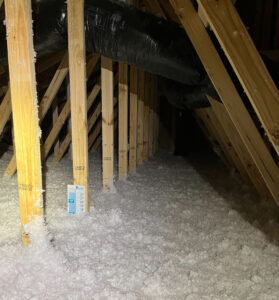
The biggest opportunity to reduce air conditioning costs in new construction comes before the walls are closed. AC is roughly 19% of a home’s electricity use, and the biggest lever a builder controls is the envelope: insulation plus air sealing. Because envelope work is fastest and cheapest at rough-in, design cooling performance before framing, not after. For Baltimore (IECC Zone 4A): meet DOE-recommended R-values (attic: R-49, ideally R-60; walls: R-13 to R-21), seal the envelope airtight, and keep HVAC and ducts inside the conditioned space. If you’re planning a new build or community in the Baltimore area, a pre-framing envelope and new home insulation plan can lock in lower cooling loads before the walls close up.
Why Cooling Is a Bigger Share of the Bill Than Builders Expect
Air conditioning accounts for about 19% of the electricity used in U.S. homes, according to the U.S. Energy Information Administration’s 2020 Residential Energy Consumption Survey. While that may seem like a homeowner’s expense, it’s a lifetime cost that builders have significant influence over. The decisions made during construction, especially those involving the building envelope, determine how hard the cooling system will have to work every summer.
During the cooling season, heat naturally moves from outside into the home through the roof, walls, and floors. Every bit of that heat must then be removed by the air conditioning system. Proper insulation slows this heat transfer, reducing the cooling load and helping homeowners spend less on energy year after year.
In Baltimore’s hot, humid climate, the attic is one of the most important areas for controlling heat gain. The University of Maryland Extension notes that attic roof decks can exceed 140°F on sunny summer days, radiating heat into the living space below and forcing the air conditioner to run longer. That’s why getting the attic insulation and air sealing right during construction delivers such a significant return.
It’s easy to think of a larger air conditioner as the way to reduce cooling costs in a new home, but that’s treating the symptom rather than the cause. A properly designed building envelope limits the amount of heat entering the home in the first place. Builders who prioritize insulation and air sealing before framing ultimately control the building envelope cooling load and energy costs for decades to come.
The Envelope Decisions That Have to Happen Before Framing
The best time to plan insulation before framing is while wall cavities, rim joists, penetrations, and framing assemblies remain fully accessible. Insulation and air sealing are far easier and cheaper while cavities, rim joists, and penetrations are open at rough-in. After drywall, the same work needs demolition. UMD Extension emphasizes a whole-house approach, which means air-sealing first, then insulating, and designing for efficiency from the start.
Designing the envelope early allows builders to meet or exceed Maryland’s adoption of the 2021 International Energy Conservation Code while avoiding costly changes later in construction. Baltimore falls within the requirements for Climate Zone 4A insulation, which is designed for the region’s mixed-humid climate.
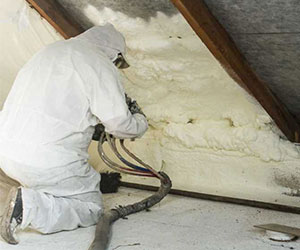
One of the most important considerations is air sealing. While traditional insulation slows heat transfer, it does not prevent air leakage. Products such as spray foam insulation provide both insulation and air sealing in a single application, making them ideal for rim joists, irregular framing, penetrations, and other difficult-to-seal locations. Incorporating spray-foam air sealing into new home strategies during rough-in helps reduce unwanted air movement before finishes are installed.
Making these decisions early creates a stronger, tighter building envelope without the expense of future demolition or retrofit work.
Where Baltimore Builders Get the Most Cooling Performance
Attic and Roofline
The attic remains one of the highest-impact opportunities for improving summer comfort. Hot roof decks radiate heat downward, making the attic the largest source of cooling load in most homes. For Maryland’s climate, DOE recommends attic insulation levels of at least R-49, with R-60 considered ideal. Installing quality attic insulation helps reduce heat gain and lower long-term cooling demands.
For homes with air handlers and ductwork in the attic, builders should also consider bringing that equipment inside the conditioned envelope through a conditioned, unvented attic design. Placing the HVAC inside conditioned space prevents the system from operating in extremely hot attic temperatures.
Walls and Continuous Insulation
Exterior wall performance also plays a major role in reducing cooling costs. For Baltimore’s climate, recommended wall insulation generally ranges from R-13 to R-21 depending on the construction method.
Continuous exterior insulation reduces thermal bridging through framing. Reducing thermal bridging improves the overall performance of the wall assembly and supports a more energy-efficient new home Baltimore homeowners will appreciate for decades.
Air Sealing and Ducts
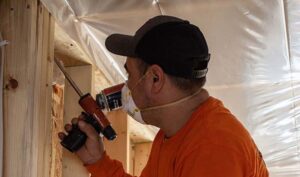
The greatest savings come from treating the house as a complete system rather than focusing on a single product. Air sealing, insulation, proper HVAC placement, and quality installation all work together to lower cooling loads.
According to ENERGY STAR, combining air sealing with added insulation can reduce heating and cooling costs by approximately 15%. Keeping ducts and HVAC equipment inside the conditioned space further improves system efficiency while reducing energy losses.
When builders take a whole-house approach to energy efficiency, they create homes that are more comfortable, easier to cool, and less expensive to operate.
Frequently Asked Questions
How much of a home’s energy bill is air conditioning?
Per the EIA 2020 RECS, AC was about 19% of the electricity used in U.S. homes, close to a fifth. The share runs higher in hot, humid summers like Baltimore’s.
Why should insulation and air sealing be planned before framing?
Envelope work is fastest and cheapest while cavities and penetrations are open at rough-in. UMD Extension recommends designing for efficiency from the start: air sealing first, then insulating, because preventing heat from entering is more efficient than removing it. After drywall, the same upgrades need demolition.
What insulation R-values does a new Baltimore home need?
Baltimore is IECC Zone 4A. DOE recommends attics at least R-49 (R-60 ideal) and exterior walls roughly R-13 to R-21, depending on construction. Maryland’s 2021 IECC sets the minimum envelope requirements for the zone.
Does insulation reduce cooling costs or only heating costs?
Both. According to the DOE, during the cooling season, heat flows from outdoors into the home and must be removed by the AC; insulation slows that flow and lowers cooling costs. ENERGY STAR estimates that air sealing plus added insulation saves about 15% on heating and cooling.
Plan the Envelope Before the Walls Go Up
Air conditioning costs in new construction are influenced long before the HVAC system is installed. The insulation, air sealing, attic strategy, and decision to place the HVAC inside conditioned space all determine how much cooling a home will require for decades to come. Building the envelope correctly the first time delivers lower utility costs, greater comfort, fewer callbacks, and a better-performing home from day one.
If you’re planning a new home or community in the Baltimore area, DeVere Insulation works with builders and contractors to plan the building envelope before framing, sizing insulation and air sealing for Climate Zone 4A so cooling loads stay low from the first summer on. Call 410-360-6900 or visit devereinsulation.com to schedule a new-construction estimate.
References
ENERGY STAR. “Methodology for Estimated Energy Savings from Sealing and Insulating.” U.S. Environmental Protection Agency, www.energystar.gov/saveathome/seal_insulate/methodology.
Maryland Energy Administration. “Building Codes.” State of Maryland, energy.maryland.gov/Pages/policy-energy-codes.aspx.
U.S. Energy Information Administration. “How Much Electricity Is Used for Air Conditioning in the United States?” Frequently Asked Questions, www.eia.gov/tools/faqs/faq.php?id=1174.
University of Maryland Extension. “Home Energy: Insulation.” University of Maryland, extension.umd.edu/resource/home-energy-insulation.
University of Maryland Extension. “Understanding Home Energy.” University of Maryland, extension.umd.edu/resource/understanding-home-energy.