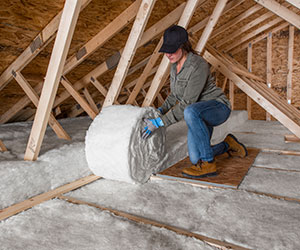
Insulation is the foundation of energy savings and comfort in Maryland homes. At its core, insulation slows the natural movement of heat from warmer areas to cooler ones, creating a barrier that stabilizes indoor temperatures. Without proper insulation, warm air escapes during winter and hot, humid air seeps in during summer. This forces your heating and cooling system to work harder, resulting in higher utility bills.
In Maryland’s climate—marked by cold winters and muggy summers—home insulation is essential. The right insulation reduces heat flow, improves energy efficiency, and helps homeowners save money throughout the year.
Understanding Heat Transfer
Heat moves through your home in three ways: conduction, convection, and radiation.
- Conduction: Direct transfer of heat through solids. For example, a hot pan handle conducts heat from the stove.
- Convection: Movement of heat through gases or liquids. Warm air rises and cool air sinks, creating convective heat currents in your home.
- Radiation: Heat transfer in straight lines via infrared energy, warming any surface it touches.
Most insulation materials slow conduction and convection, while specialized products such as radiant barriers reflect radiant heat. Regardless of the type, insulation works by resisting the transfer of heat, keeping your home comfortable while using less energy.
R-Value: Measuring Insulation Performance

The performance of any type of insulation is measured by its R-value, which represents its thermal resistance. A higher R-value means stronger resistance to heat flow and better performance.
Recommended R-values for Maryland homes:
For example, reaching R-49 in an attic may require about 15 inches of fiberglass insulation or 13 inches of cellulose. Upgrading insulation in older homes, such as Baltimore rowhouses, can significantly improve comfort and reduce heating and cooling costs.
Types of Insulation Materials
Maryland homeowners and builders can choose from several insulation materials, each with unique benefits:
- Fiberglass Insulation: Available in batts or loose fill, typically R-2.5 to R-3 per inch. Affordable and widely used.
- Cellulose: A blown-in, recycled option that offers ~R-3.7 per inch. Excellent for filling wall cavities and attics.
- Mineral Wool: Fire-resistant, water-repellent, and about R-3.1 per inch. Great for walls and floors.
- Spray Foam Insulation: Expands to seal gaps and provides about R-6 per inch, combining insulation with air sealing.
- Rigid Foam Boards: Used in basements or exterior applications, with R-values ranging from R-4 to R-7 per inch.
Choosing the right material depends on the area of your home, your budget, and your energy efficiency goals.
Best Practices for Insulation in Maryland
Proper installation ensures insulation delivers maximum performance. Key best practices include:
- Seal Air Leaks First: Even the best insulation won’t work if gaps around windows, doors, and pipes let conditioned air escape. Air sealing should be completed before installation.
- Use Vapor Barriers Wisely: In Maryland’s humid climate, install vapor barriers on the warm interior side of walls and floors to prevent moisture damage.
- Ensure Adequate Ventilation: Attics and crawl spaces require proper airflow to maintain dry and effective insulation.
By following these steps, Maryland homeowners can extend the life of their insulation and maximize energy savings.
The Bottom Line
Insulation works by slowing the natural flow of heat, reducing strain on your heating and cooling system, and keeping your home comfortable year-round. With the right type of insulation installed to Maryland’s recommended R-values, you can save money, boost comfort, and enhance your home’s value.
If you’re ready to upgrade or install insulation, contact DeVere Insulation—Maryland’s trusted experts in fiberglass, spray foam insulation, loose fill, and more. Our team is here to help you achieve the highest levels of energy efficiency and comfort.
References:
University of Maryland Extension. (n.d.). Home energy insulation. University of Maryland Extension. https://extension.umd.edu/resource/home-energy-insulation
U.S. Department of Energy. (n.d.). Insulation. Office of Energy Efficiency & Renewable Energy. https://www.energy.gov/energysaver/insulation
