How Thick Does Spray Foam Insulation Need to Be?

There are many factors that determine how thick spray foam insulation needs to be….

Updated March 2024

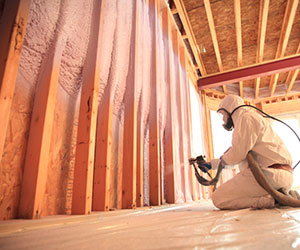
Worker in a white safety suit installing spray foam insulation.You’ve decided that spray foam insulation is the best choice for your Maryland home, with its two-in-one insulating and air sealing properties. But when it comes to understanding how much spray foam insulation you need to maximize your home’s comfort and energy efficiency, you have some questions.

It’s important to note that in the realm of home insulation, the depth of spray foam installation holds the key to both efficiency and comfort, particularly in our diverse Maryland climate zones. The proper thickness of spray foam insulation not only ensures compliance with building codes but also significantly impacts your energy savings.

Let’s delve into the specifics of Maryland’s climate zones, building regulations, and how to determine the ideal foam thickness for your home.

Unlocking Maryland’s Climate Mosaic: Navigating Zone Dynamics for Home Comfort

Let’s start with climate zones and R-values. These are two factors that help determine how thick spray foam insulation needs to be when it’s installed in your home. The U.S. Department of Energy sets recommended insulation levels for each state based on climate zone and the area being insulated (attic, walls, or floors).

Maryland’s varied topography gives rise to two distinct climate zones across the state. The mountainous regions of Western Maryland fall under zone 5, while the remainder of the state lands squarely in zone 4. Within each of Maryland’s climate zones varying amounts of insulation are required, given in R-values, ranging from R-49 to R-60. Understanding these distinctions in R-value is crucial for maximizing insulation effectiveness and energy efficiency.

But what is R-value? It has to do with insulating power. All insulation is rated by R-value which is a rating of thermal resistance. The higher the R-value, the higher the thermal resistance and the greater the insulating power of your insulation. R-value determines how much insulation you need for a comfortable home throughout the year in your climate zone. Warmer climates need a lower R-value of insulation while colder climates require a higher R-value.

Decoding Maryland’s Building Blueprint: Your Guide to Insulation Standards

As you consider installing spray foam insulation, another piece of the puzzle is navigating Maryland’s building codes. These codes are essential for any homeowner looking to optimize their insulation. Maryland adopted the International Energy Conservation Code (IECC) which establishes standards for insulation requirements based on climate zones. However, remember that county and municipal amendments may also apply, necessitating thorough research or consultation with local authorities. Be sure to consult and follow the Maryland Energy Code when installing insulation in your home.

Insulation Precision: Cracking the Code for Optimal Foam Thickness

Determining the ideal thickness of the spray foam insulation you need involves a nuanced consideration of various factors. You know that climate zone-specific average temperatures and recommended R-values play a significant role, alongside local building codes. But additional factors are important too. Your heating and cooling needs, window placements in your home, existing insulation levels, and which type of spray foam insulation you should use are also important considerations.

Mastering the Foam Frontier: Exploring Spray Foam Insulation’s Diverse Types

Remember, before jumping into thickness considerations, it’s essential to understand the two primary types of spray foam insulation that are used: open cell and closed cell. Open cell insulation offers an approximate R-value of 3.5 per inch, providing some moisture permeability and flexibility in application. It’s great for interior walls and attics. In contrast, closed cell insulation is denser and boasts a higher R-value ranging from 5.0 to 7.0 per inch. Closed cell insulation is ideal for areas requiring increased moisture resistance and rigidity, such as basement box sills.

Seal the Deal: Crafting Comfort and Savings with Expert Insulation Guidance

Contractors reviewing and making notes on blueprints.Ultimately, in the quest for optimal insulation, consulting with experienced professionals is indispensable. Don’t try and figure things out on your own. A qualified insulation contractor possesses the expertise to tailor recommendations to your specific climate zone, home layout, and insulation needs. By striking the perfect balance between efficiency and cost-effectiveness, you can transform your Maryland home into a haven of comfort and energy savings.

Aligning with industry standards, adhering to building codes, and leveraging expert guidance, allows you to make informed decisions regarding spray foam insulation thickness, ensuring long-term comfort and sustainability. At DeVere Insulation, we are the team to turn to for professional insulation installation. Homeowners and builders throughout Baltimore have trusted us with their insulating needs since 1987. You can rest easy knowing your home is in good hands. Contact us today to learn more about the benefits of spray foam insulation and receive your free estimate.
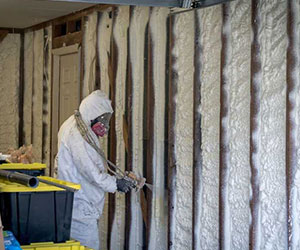
Why Spray Foam Insulation is a Smart Choice for Maryland Homes

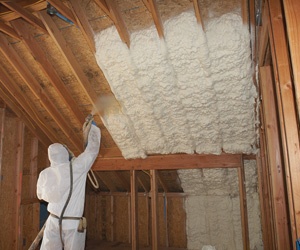
Spray foam insulation insulates and seals air leaks in one application creating a thermal barrier and sealing penetration points.


As a Maryland resident, you know the struggle of keeping your home comfortable throughout our extreme seasonal shifts. With our unpredictable weather, your energy bills can easily spike in both July and January. But the right insulation product can make all the difference, and one product has emerged as an insulation game-changer, spray foam.

In this post, we’ll explore how spray foam insulation creates an effective solution for maintaining a comfortable and energy-efficient home. We’ll break down the benefits of spray foam, compare costs to traditional fiberglass insulation, address common concerns, and explain why Maryland’s unique climate makes spray foam a smart choice.

So, whether you’re a homeowner looking to save on utilities or a contractor aiming to build better homes, read on to learn why spray foam insulation is a smart investment in Maryland.

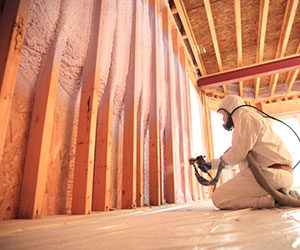
Spray foam application interior residential wallsLong-Term Savings and Return on Investment
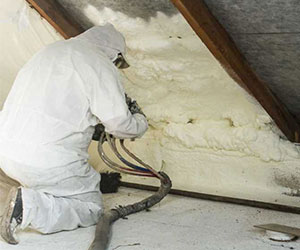
As you consider the best type of insulation for your home, think about these key benefits of choosing spray foam insulation:

Insulates and seals in one step

Spray foam has the unique ability to insulate and air seal in one easy step unlike other insulation options.

Reduces heating and cooling costs

With proper air sealing and insulation you can reduce your heating and cooling costs by an average of 15%.

Lightens your HVAC unit’s workload

Spray foam can lower your HVAC energy use by up to 30%.

Long-lasting

Unlike cellulose or fiberglass insulation, spray foam doesn’t degrade over time, eliminating the need for re-insulation.

Increases home value

Spray foam increases your home’s property value thanks to increased energy efficiency and reduced maintenance needs.

Pays for Itself

Spray foam is reported to pay for itself within five years thanks to lower energy bills.

Addressing Common Concerns About Spray Foam

It’s also important to address any concerns or misconceptions you may have about spray foam, such as:

Concern #1 – Cost

While the initial price tag is higher than other insulations, your long-term savings outweigh the upfront investment. Also, unlike other insulations, spray foam eliminates the need for separate air sealing.

Concern #2 – Safety

Spray foam is an expanding foam made from chemicals. When installed it goes through what’s called a curing process, where the chemical’s gases are released. Proper ventilation and safety gear are required during installation and your home should remain unoccupied for 24 hours. After the curing process is completed, your home is 100% safe for you and your family to return to and enjoy.

Concern #3 – Effectiveness

Spray foam expands 30-60 times its size to fill gaps and cracks throughout your home, eliminating air leaks and creating a strong air barrier. Of the two types of spray foam (open cell and closed cell), closed cell spray foam has one of the highest insulation R-values (6.5-7 per inch), compared to fiberglass insulation (R-3 to R-4 per inch).

Concern #4 – Home Ventilation

Because spray foam creates an airtight seal, it’s important for you to incorporate controlled, mechanical ventilation to maintain indoor air quality. These types of ventilation include HRVs (heat recovery ventilators), ERVs (energy recovery ventilators), kitchen range hoods, and bath fans.

Concern #5 – Structural Impact

Closed cell spray foam strengthens your walls and roof, adding durability to your home’s structure. It also resists moisture intrusion, helping to reduce the risk of mold and mildew and water damage.

Spray foam application interior residential wallsHow Spray Foam Excels in Maryland’s Climate

Maryland’s Weather Challenges

Our state experiences its fair share of extreme temperatures and weather, from hot, humid summers (80s/90s°F) to cold, snowy winters (20s/30s°F), with some heavy rainfall and Nor’easters thrown in for good measure. That’s why it’s important to have proper insulation, such as spray foam insulation, to keep you comfortable all year long.

Summer Benefits (Hot and Humid)

Spray foam helps you beat the summer heat and humidity by:

  • Blocking attic heat gain to keep your upper floors cooler.
  • Reducing your AC usage to lower your energy bills.
  • Preventing condensation issues and sealing out humidity that can lead to mold and mildew.

Winter Benefits (Cold and Drafty)

Spray foam helps you stay warm and comfy all winter long too by:

  • Preventing heat loss which in turn lessens your heating costs.
  • Eliminating drafts around windows, doors, and baseboards.
  • Preventing ice dams by stopping attic heat escape to keep your roof evenly cold.
  • Reducing furnace and heat pump strain, extending your HVAC system’s lifespan.

Year-Round Benefits

Be comfortable all year long with spray foam as it also:

  • Maintains stable indoor temperatures by creating an airtight seal.
  • Acts as a sound barrier, reducing outside noise.
  • Blocks allergens, dust, and pollutants, improving your home’s indoor air quality.
  • Enhances flood resilience, as closed cell spray foam resists water damage.

Devere Insulation is Your Baltimore Spray Foam Expert

At Devere Insulation, we have over 35 years of experience providing expert insulation services to our Baltimore area community. Our experienced team deeply understands our local building codes, climate challenges, and the best ways to optimize your home’s energy efficiency. We promise professional installation and high customer satisfaction to ensure your home or residential building project is comfortable and energy efficient year-round. Local builders and homeowners count on us for tailored insulation solutions that include spray foam, cellulose, and fiberglass insulation.

Contact us today to learn more about spray foam insulation and how it can benefit your Baltimore home.


References

VB Insulation – “Spray Foam Insulation vs Fiberglass Insulation Cost Comparison 2024.” VB Insulation Blog. Jul 04, 2024.
vbinsulation.com

Paragon Protection – “Spray Foam Insulation vs. Fiberglass Cost Comparison.” Paragon Protection Insulation Blog.
paragon-protection.com

RetroFoam of Michigan – “Is the Foam Insulation Worth the Cost? Energy Savings Explained.” RetroFoam Blog.
retrofoamofmichigan.com

​​Responsible House (VA) – “5 Common Misconceptions About Spray Foam Insulation.” ResponsibleHouse.com Blog.
responsiblehouse.com

Foam InSEALators (Mid-Atlantic) – “Mid-Atlantic Weather: Why Attic Spray Foam is Essential for Maryland & Virginia Homes.” (Foam InSEALators Blog, updated June 2024)
insulatewithfoam.com

DeVere Insulation (Baltimore, MD) – “Spray Foam in Baltimore, MD – Insulation Products.” DeVereInsulation.com.
devereinsulation.com

Angi Reviews – “DeVere Insulation Home Performance Reviews.” Angi (Angie’s List) Customer Reviews Page.
angi.com